Enterprise Reputation Management Platforms - A Buyer's Guide
A single viral complaint handled poorly can wipe out years of brand equity. For organizations managing dozens of locations, thousands of reviews, and global media exposure, a spreadsheet and a free Google Alert simply will not hold. Enterprise reputation management platforms exist to centralize that chaos into something measurable and actionable.

What Sets Enterprise Platforms Apart
Enterprise-grade tools differ from SMB software in scale, integrations, and analytics depth. Where a small business tool might track a handful of review sites, enterprise platforms ingest signals from hundreds of sources simultaneously: Google, Yelp, Trustpilot, App Store ratings, social media mentions, news publications, and industry-specific directories. They also connect directly to CRM systems, POS platforms, and business intelligence dashboards via API.
Pricing reflects that complexity. SMB-tier reputation monitoring software typically runs $50–$300 per month. Enterprise tiers from platforms like Brandwatch, Sprinklr, and Mention start around $500 per month and can reach $5,000 or more for custom deployments at scale.
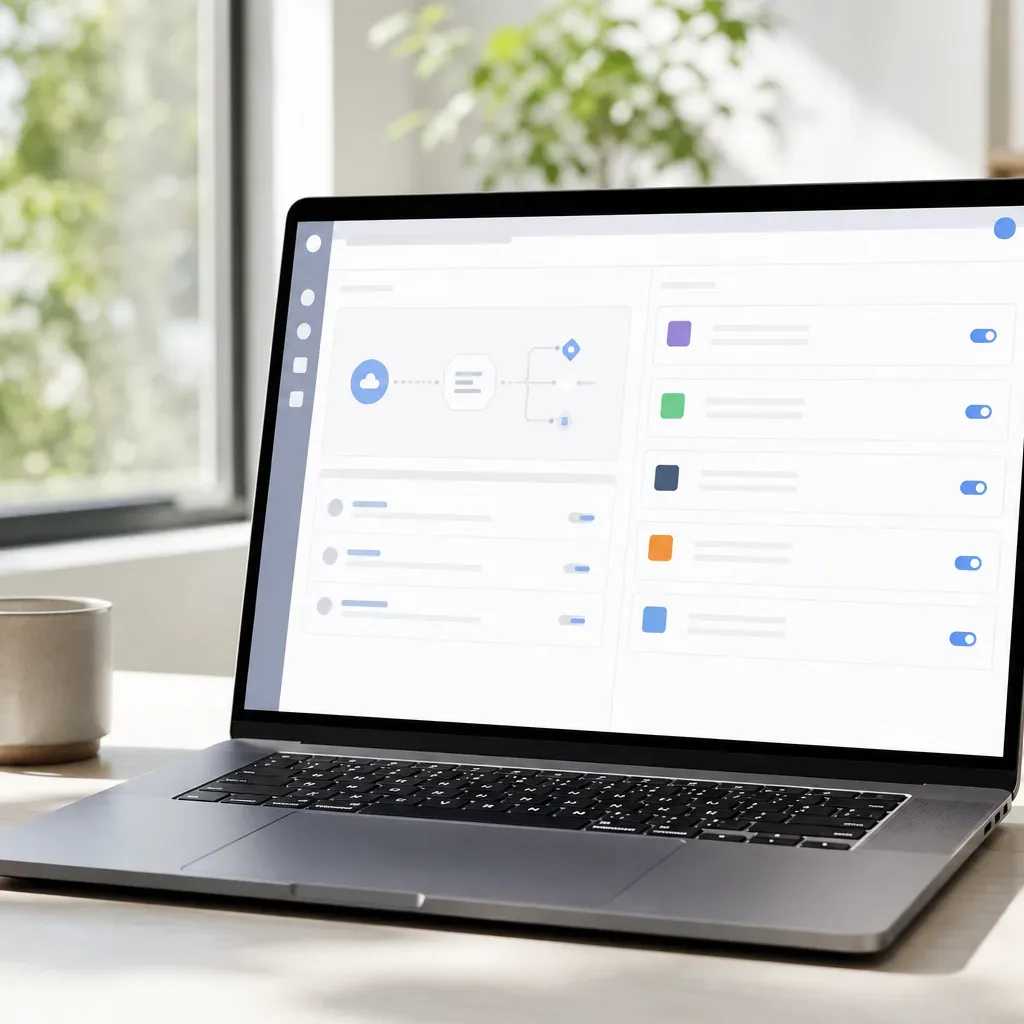

Core Features to Evaluate
Review Management at Volume
Any enterprise platform worth its subscription must handle review aggregation across multiple locations without manual effort. Look for automated alerts when a location drops below a threshold, templated response workflows that still allow personalization, and role-based permissions so regional managers can respond within brand guidelines. Responding to reviews consistently produces an average rating improvement of 0.1–0.3 stars over time, which matters significantly when a rating below 3.5 stars causes a measurable share of consumers to avoid a business entirely.
Reputation Monitoring and Sentiment Analysis
Reputation monitoring at the enterprise level goes beyond collecting mentions. Platforms should classify sentiment automatically, surface emerging issues before they trend, and generate location-level or brand-level reports on demand. The difference between knowing you have a problem and knowing which of your 200 locations has the problem first is where enterprise tooling earns its cost.
Search Result Suppression Capabilities
Some enterprise platforms include managed content strategies designed to displace negative search results. This typically means publishing optimized owned content, press releases, and third-party features that outrank harmful pages. Expect measurable movement in 3–6 months; full displacement of a page-one result often takes 6–12 months. No platform can guarantee removal of content from Google.
Google evaluates each removal request against its own policies, and outcomes vary by content type and jurisdiction.
Competitive Benchmarking
Knowing your own star rating is useful. Knowing how it compares to your three closest competitors in the same market is more useful. The stronger enterprise platforms offer side-by-side benchmarking using publicly available review data, so brand teams can identify where they are losing ground before customers make that judgment for them.
How to Compare Enterprise Reputation Management Platforms
Start with data coverage. Ask each vendor for a complete list of sources they monitor and confirm that your most critical channels are included. A platform that misses an industry-specific review site relevant to your sector is leaving blind spots in your intelligence.
Next, audit the workflow tools. Approximately 90% of consumers read online reviews before purchasing, and 70–80% trust those reviews as much as a personal recommendation. Your team needs to respond efficiently at scale. Platforms that offer AI-assisted response drafts, approval queues, and multi-language support reduce the operational burden substantially.
Finally, pressure-test the reporting. Ask for a demo using your actual location count and review volume. Some platforms are architected for a few dozen locations and struggle with several hundred. Real performance data during a trial period reveals this faster than any sales pitch.
Integration and Implementation
Implementation timelines for enterprise platforms typically run four to twelve weeks, depending on the number of locations, the complexity of CRM integration, and the degree of customization required. Budget for an internal project owner, not just a vendor onboarding call. The platforms that deliver the fastest time-to-value are those where a client team member owns configuration decisions and can move quickly on data access approvals.
API quality matters as much as the feature list. If reputation data cannot flow into your existing BI stack automatically, analysts will spend hours each week on manual exports. Confirm that the platform offers documented, well-supported APIs before signing a contract.

Managed Services vs. Software-Only
Some organizations prefer to pair an enterprise software license with a managed service layer. A managed online review service, where an agency handles response workflows and escalation on your behalf, typically costs $200–$800 per month per engagement. For brands with limited internal bandwidth, this model makes sense. For brands that need deep internal ownership of reputation data, the software-only path with proper training is usually more sustainable long term.
Personal reputation management services, which focus on individual executives or high-profile spokespeople within an organization, run $500–$3,000 per month. Enterprise contracts often include a small number of individual executive profiles as part of a broader brand package, so ask about bundling before purchasing separately.

Negative Content and Removal Requests
When damaging content appears in search results, enterprise platforms often provide guidance on formal removal requests to Google and other platforms. Content removal pursued through specialist firms costs $100–$500 per URL, and success is never guaranteed. For broader search result suppression campaigns, one-time setup fees typically range from $1,000 to $10,000, separate from any ongoing monthly retainer.
Fake reviews represent a related challenge. Google and Yelp both maintain policies against reviews that violate their terms, but enforcement timelines vary and outcomes are not predictable. Enterprise platforms with dedicated trust and safety teams tend to have more established escalation pathways with major platforms than individual brands managing this process alone.

Geographic and Regulatory Considerations
For organizations operating across borders, the Right to Be Forgotten is relevant primarily within the European Union and EEA under GDPR. This right has limited applicability in the United States and should not be assumed as a universal tool for removing damaging search results globally. Enterprise platforms serving multinational brands should have clear documentation of how they handle jurisdiction-specific removal requests and what support they provide during the process.
Selecting the Right Platform for Your Organization
The clearest signal of platform fit is how well the tool maps to your operational structure. A franchise model with hundreds of semi-autonomous locations needs different workflow controls than a single global brand with one centralized communications team. Shortlist no more than three platforms, run a structured pilot with real data from one region, and evaluate based on time saved, coverage gaps found, and the quality of reporting your team can actually act on.
The cost of the wrong platform is not just the subscription fee. It is the reviews that went unanswered, the negative news story that stayed on page one for eight months, and the competitor who moved past you in local search rankings while your team was waiting for a report to export.

Frequently Asked Questions
Enterprise Reputation Management Platforms Comparison - What Should I Look For?
Focus on four criteria: source coverage (which review sites, social channels, and news outlets the platform monitors), workflow tools for responding to reviews at scale, API quality for integrating with your existing BI or CRM stack, and reporting depth at the location level. Run a structured pilot with real data before committing to a contract.
How Much Do Enterprise Reputation Management Platforms Cost?
Enterprise-tier platforms such as Brandwatch, Sprinklr, and Mention typically start at around $500 per month and can reach $5,000 or more for large custom deployments. That is distinct from managed review services, which run $200–$800 per month, or personal reputation management retainers for executives, which range from $500 to $3,000 per month.
Can an Enterprise Reputation Management Platform Remove Negative Content from Google?
No platform can guarantee content removal from Google. Google reviews each request against its own policies, and outcomes vary by content type and location. Specialist firms that pursue manual removal requests typically charge $100–$500 per URL with no guaranteed result. Search result suppression through optimized content publishing is the more reliable long-term approach, with measurable results typically appearing in 3–6 months.
How Long Does It Take to Implement an Enterprise Reputation Management Platform?
Implementation typically takes four to twelve weeks depending on the number of locations, the depth of CRM integration, and how quickly your internal team can provide data access and configuration decisions. Assigning a dedicated internal project owner significantly reduces this timeline compared to leaving implementation entirely to the vendor.
What Is the Difference Between Enterprise Reputation Management Software and a Managed Service?
Software gives your team the tools to monitor, respond to, and report on reputation signals internally. A managed service adds an external agency or specialist team that handles those tasks on your behalf, typically at $200–$800 per month for review management. Enterprise organizations with limited internal bandwidth often use both: a software platform for data and reporting, paired with a managed service for day-to-day response workflows.