How Star Ratings Affect Local SEO and Click-Through Rates
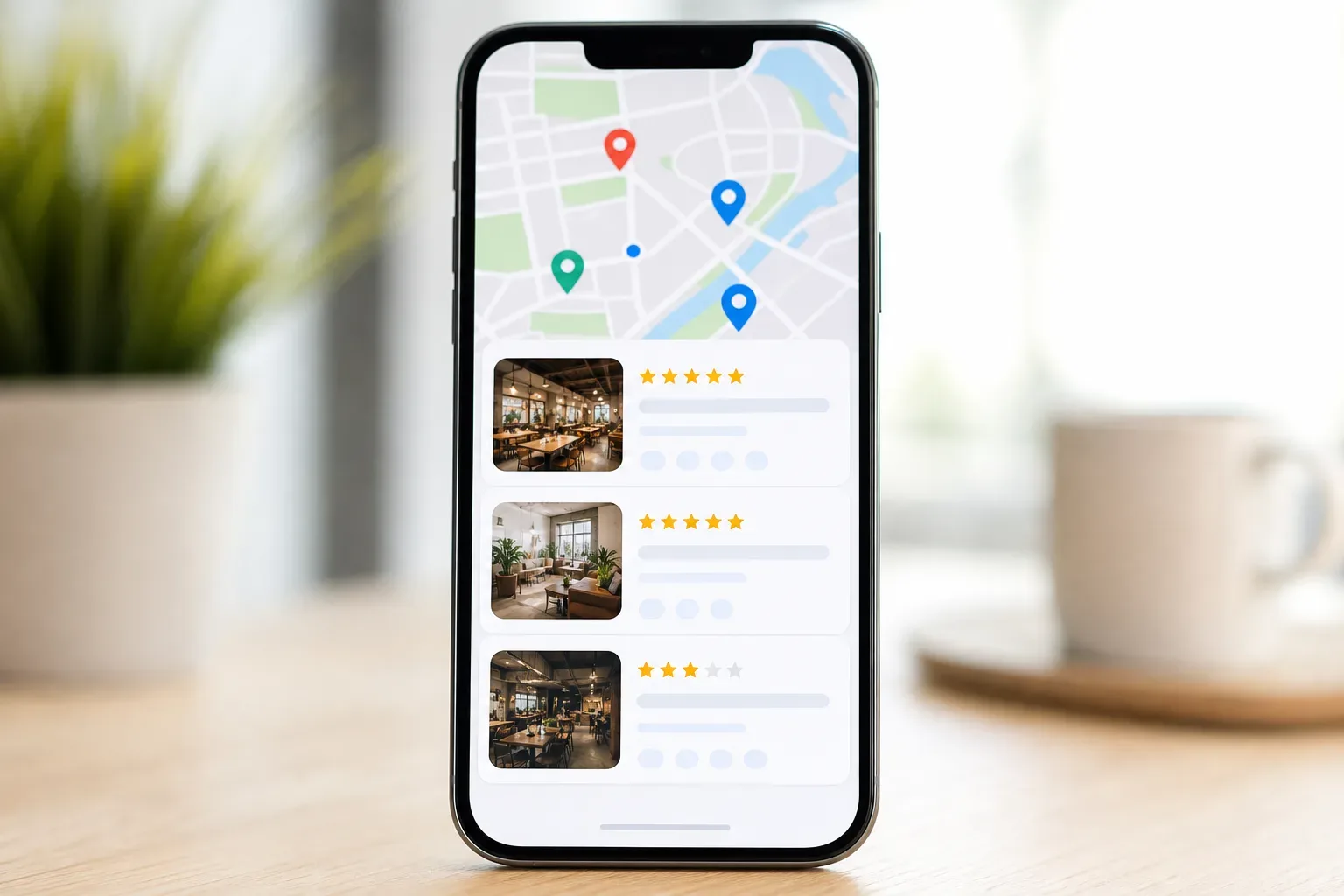
The Star Rating Signal Google Actually Reads
Google's local search algorithm treats star ratings as a trust proxy. A business with a strong average rating and a healthy volume of reviews is statistically more likely to appear in the Local Pack, the three-business map block that captures the largest share of local search clicks. Ratings don't operate in isolation; Google weighs them alongside proximity and relevance. Still, among the factors a business can actively improve, average star rating is one of the most responsive to deliberate effort.
The critical consumer threshold sits at below 3.5 stars. Businesses rated beneath that mark are routinely skipped over, both by users and, increasingly, by Google's ranking logic. Reaching and sustaining a rating above that floor is a baseline requirement, not a bonus.

Do Star Ratings Affect Local SEO
Yes, star ratings directly influence local SEO, both as a ranking input and as a behavioral signal that shapes click patterns. Google's documentation acknowledges review quantity and quality as local ranking factors. Higher ratings correlate with more clicks, and more clicks feed engagement signals back to Google, creating a compounding effect.
The mechanism works in two directions. First, a higher rating can push a listing higher in local results. Second, once a user sees the listing, the visible star display on the search result itself drives the decision to click. Both effects reinforce each other over time.
How Google Weighs Reviews in the Local Pack
Google evaluates review signals at two levels: aggregate rating and review velocity. A business that consistently earns new reviews tells Google the listing is active and credible. A stagnant review profile, even one with a decent average, can lose ground to a competitor that is actively collecting fresh feedback.
Review text also matters. When customers mention specific services or location names in their reviews, those words contribute to keyword relevance for that listing. A plumber whose customers write about "emergency drain repair in Austin" will likely rank better for that phrase than a competitor whose reviews contain only generic praise.

How Star Ratings Shape Click-Through Rates
Star ratings are displayed visually in Google Search results and Google Maps. Users process that visual instantly, often before reading the business name. Research on local search behavior consistently shows that listings with higher ratings capture a disproportionate share of clicks even when they appear in a lower position than a competitor.
Approximately 90% of consumers read online reviews before making a purchase decision. That figure reflects how deeply review culture is embedded in buying behavior. A business with 4.5 stars and 200 reviews will almost always outperform a business with 4.5 stars and 12 reviews on click volume, because the review count signals that the rating is trustworthy rather than a statistical fluke.
The Psychology Behind the Click
Consumers use star ratings as a shortcut to reduce decision effort. A visible rating collapses a complicated judgment about quality into a single number. That number then acts as a filter: listings below a certain threshold get mentally eliminated before the user reads a single word of the description.
Ratings in the 4.0–4.5 range tend to feel credible rather than suspiciously perfect. A 5.0 average based on few reviews can actually raise doubt rather than inspire confidence. The goal is a genuine, well-distributed rating that reflects real customer experience.

Improving Your Rating Has Measurable Results
Businesses that actively respond to reviews see an average rating improvement of 0.1–0.3 stars over a sustained period. That range may sound modest, but moving from 3.6 to 3.8 stars, or from 4.1 to 4.4 stars, can meaningfully shift which users choose to click. In competitive local markets, fractions of a star separate the businesses that dominate the Local Pack from those that never appear in it.
Response rate also signals responsiveness to Google. A business that replies to reviews, both positive and negative, demonstrates that the listing is actively managed. Google factors this into overall listing quality.
Generating More Reviews Without Breaking the Rules
The fastest legitimate path to a higher rating is simply asking satisfied customers to leave a review. A short follow-up text or email sent within 24 hours of a service interaction produces the highest response rates. Review gating, the practice of filtering customers before asking for reviews and only directing satisfied ones to public platforms, violates Google's review policies and can result in review removal or account penalties. Ask broadly and consistently instead.
Volume protects rating stability. A business with 8 reviews is vulnerable to a single negative experience swinging the average sharply. A business with 300 reviews absorbs the same negative review with almost no measurable impact on the displayed average.


What Happens When Ratings Drop
A falling star rating triggers two simultaneous problems. Fewer users click the listing, reducing the behavioral signals that support the current ranking position. Over several weeks, that ranking position itself can slip, which reduces impressions and feeds another round of lower click volume.
Avoiding this spiral requires active reputation monitoring. Setting up Google Alerts for your business name takes under 5 minutes and catches some mentions. A more thorough approach uses dedicated reputation monitoring software, available at $50–$300 per month for small to medium businesses. That tier of tool tracks review platforms, flags new reviews in real time, and often integrates directly with response workflows.
Responding to Negative Reviews Effectively
Approximately 70–80% of consumers say they trust online reviews as much as personal recommendations. That trust extends to how a business handles criticism. A professional, specific response to a negative review signals to future readers that the business takes service seriously.
The response should acknowledge the specific issue, avoid defensiveness, and offer a concrete next step such as a direct contact method. As few as 3–4 negative reviews are enough to deter a potential customer if those reviews go unanswered. Responding does not erase the review, but it reframes the narrative for everyone who reads it afterward.
Structured Data and Rich Results
For businesses running their own websites, adding structured data markup to service and product pages allows star ratings to appear directly in organic search results as rich snippets. These are separate from Google Maps ratings and apply to non-local search results. When a user sees both a star rating in the Maps result and a rich snippet in the organic result, the visual reinforcement of credibility compounds the click-through benefit.
Schema.org's Review and AggregateRating types are the standard markup formats. Most major content management systems support these through plugins or built-in fields. The key requirement is that the ratings displayed in markup must reflect real customer ratings; fabricated markup violates Google's structured data guidelines and can trigger manual penalties.
A consistent rating presence across both local and organic search surfaces is the most durable way to protect click-through rates and local visibility over the long term.

Frequently Asked Questions
Do Star Ratings Affect Local SEO?
Yes. Google treats star ratings as a local ranking signal alongside proximity and relevance. Businesses with higher ratings and more reviews are more likely to appear in the Local Pack, and higher ratings also increase click-through rates once a listing appears in results.
What Star Rating Do I Need to Rank Well in Local Search?
There is no single rating that guarantees a top ranking, but businesses with ratings below 3.5 stars are significantly less likely to appear in Google's Local Pack and are routinely bypassed by consumers. Sustaining a rating above 3.5 stars is a baseline requirement for competitive local visibility.
How Many Reviews Do I Need Before Star Ratings Help My SEO?
Even a small number of reviews can influence your rating display, but listings with higher review volume are more credible to both users and Google. A business with hundreds of reviews absorbs negative feedback with minimal impact on its average, while a business with only a handful of reviews is vulnerable to sharp swings from a single bad experience.
Can Responding to Reviews Improve My Star Rating?
Businesses that consistently respond to reviews tend to see an average rating improvement of 0.1–0.3 stars over time. Responding also signals to Google that the listing is actively managed, which contributes to overall listing quality in local search.
Does a Higher Star Rating Mean More Clicks on Google Maps?
Yes. Star ratings are displayed visually in Google Maps and search results, and users often make click decisions based on the rating before reading anything else. Listings with strong ratings regularly capture more clicks even when ranked below a competitor, because the visible rating acts as an immediate trust signal.