Online Review Management for Businesses

Why Reviews Shape Your Revenue
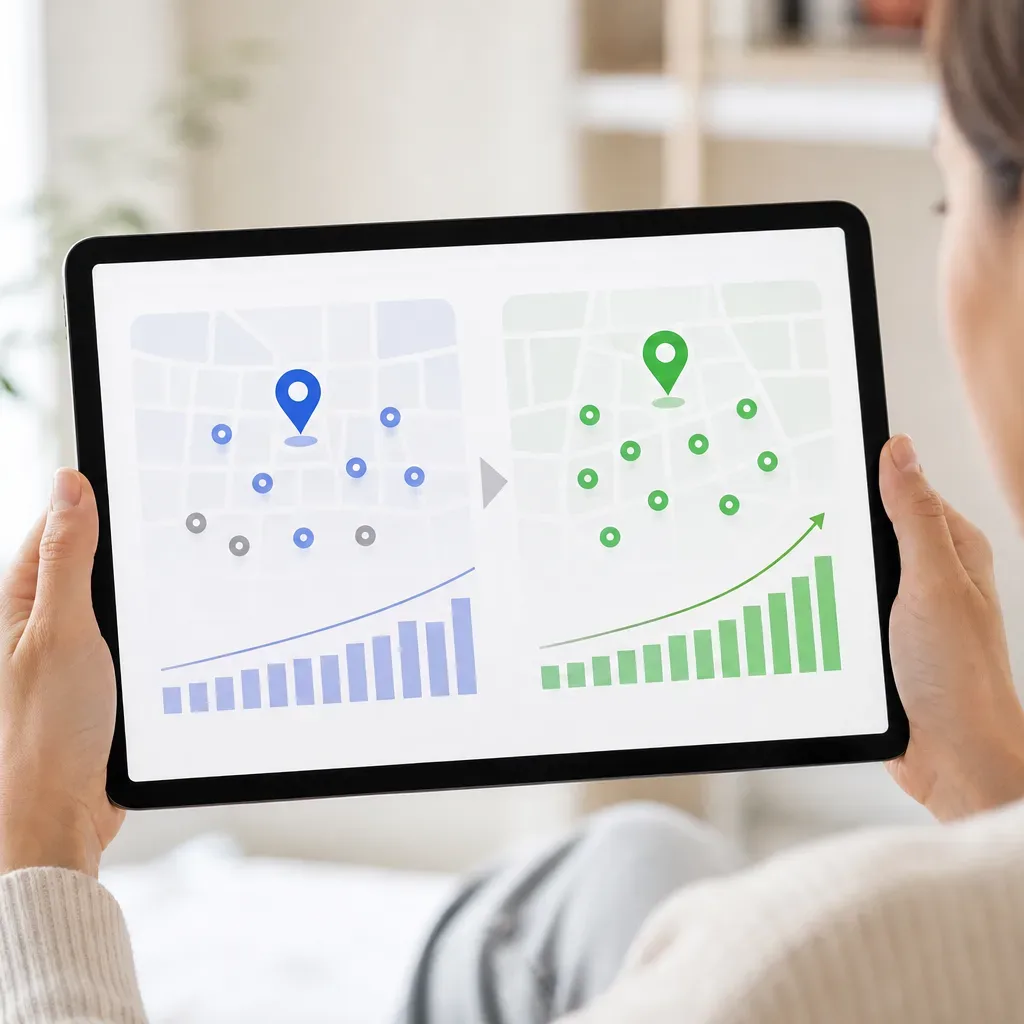
Approximately 90% of consumers read online reviews before making a purchase decision. That single figure explains why a business with a weak review profile loses customers before it ever gets a chance to speak with them. Reviews are not a vanity metric; they directly influence click-through rates, local search rankings, and conversion rates.
A rating below 3.5 stars is enough to deter most shoppers outright. As few as 3–4 negative reviews can push a potential customer toward a competitor. Managing reviews proactively is the only reliable way to keep that number in a healthy range.
How to Generate More Reviews Without Crossing the Line
The most effective review generation strategy is also the simplest: ask at the right moment. A follow-up email or SMS sent within 24–48 hours of a completed purchase or service call captures customers while the experience is still fresh. Timing matters more than the channel.
Keep the request brief and direct. One clear call to action with a link to your Google Business Profile or Yelp page outperforms a lengthy email asking for detailed feedback. Customers who feel the process is easy are far more likely to follow through.
Avoid Review Gating
Review gating is the practice of screening customers before deciding which ones receive a review request. A business that only sends happy customers a review link violates Google's review policies and risks having all of its reviews removed. Send review requests to every customer consistently, regardless of how you expect them to feel.
Google and other platforms prohibit offering incentives, such as discounts or gifts, in exchange for reviews. Organic, unprompted reviews carry more weight with both algorithms and readers anyway.
Responding to Reviews - the Right Way
Active review response has a measurable effect on ratings. Businesses that respond consistently to reviews see an average rating improvement of 0.1–0.3 stars over time. That improvement compounds as prospective customers see a business that listens and engages.
For positive reviews, a short, personalized reply reinforces the relationship. Avoid generic copy-paste responses; mentioning a specific detail from the review signals that a real person read it. Aim to respond within 24–48 hours.
Handling Negative Reviews
Negative reviews require a calm, professional tone. Acknowledge the customer's experience, apologize where appropriate, and offer to resolve the issue offline. Moving the conversation to a private channel, by providing a phone number or email, prevents a public back-and-forth that often makes things worse.
Keep responses concise and solution-oriented. A reply that runs several paragraphs can read as defensive, which tends to erode trust rather than rebuild it. One or two sentences of acknowledgment followed by a clear next step is usually enough.

Platforms Worth Prioritizing
Google Business Profile is the single highest-priority platform for most businesses because Google reviews influence local search rankings directly. Yelp matters heavily in hospitality, food service, and home services. Facebook reviews affect social trust signals, especially for B2C businesses with active Pages.
Industry-specific platforms carry significant weight in their verticals. Healthgrades and Zocdoc matter for healthcare providers. TripAdvisor is critical for hospitality. G2 and Capterra drive purchasing decisions in software.
Identify the two or three platforms where your customers actually look and focus your energy there rather than spreading thin across a dozen sites.
Dealing with Fake and Unfair Reviews
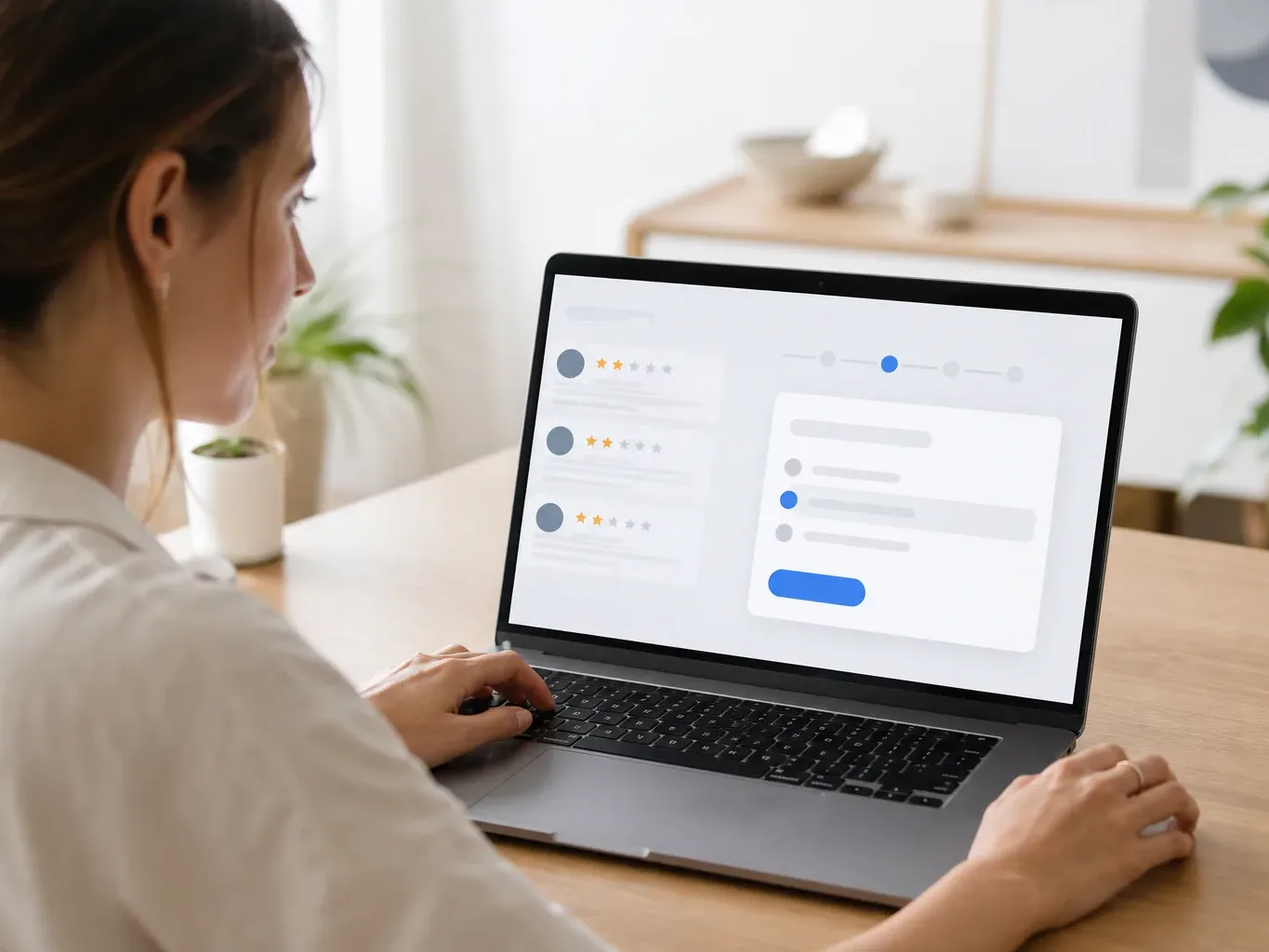
Fake reviews are a real problem, and platforms including Google and Yelp have policies to remove reviews that violate their terms. That said, enforcement timelines vary and removal is not guaranteed. The practical approach is to flag the review through the platform's official reporting tool and document your reasoning clearly.
For a review that is genuine but unfair or misleading, removal is rarely possible unless it violates a specific content policy. A well-crafted public response is often more effective than a removal attempt, since future readers will see how your business handled the situation.
Reputation Monitoring Keeps You Ahead
Reputation monitoring means tracking every new review, mention, or rating as it appears rather than discovering problems weeks later. Google Alerts can be set up in under 5 minutes and provides a free baseline. It catches mentions across news and web content, though it does not monitor platform-specific review sites.
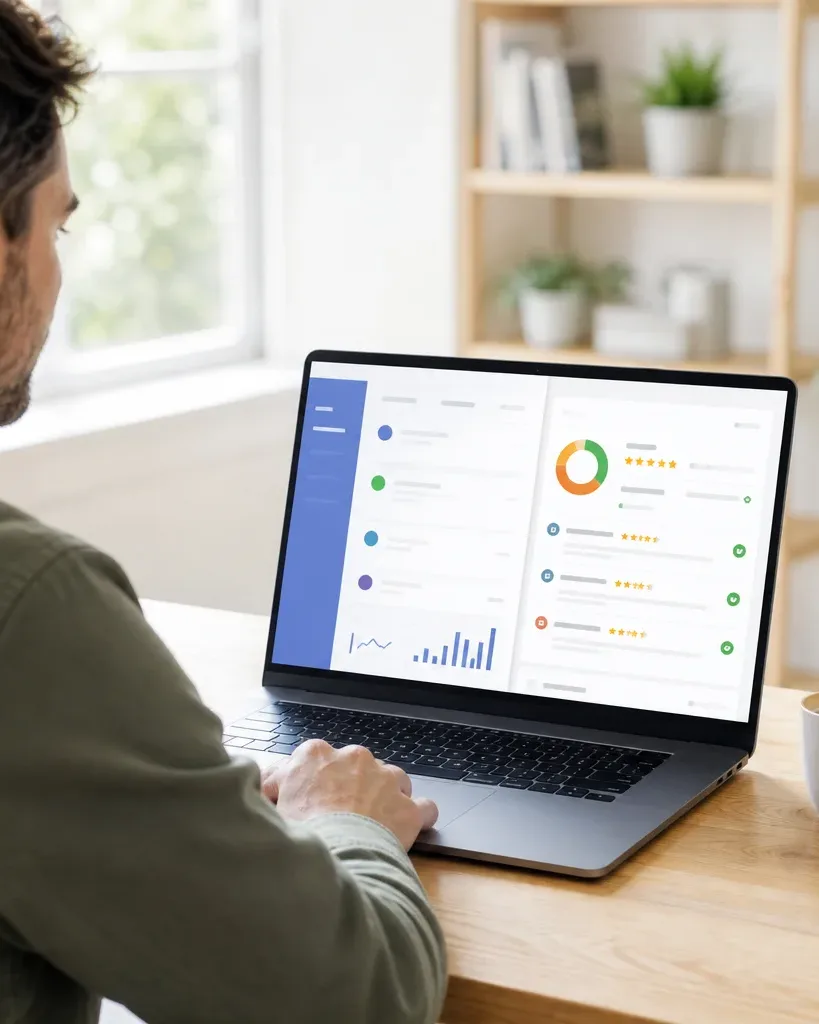
Dedicated reputation monitoring software gives broader coverage. SMB-tier tools typically cost $50–$300 per month and aggregate reviews from multiple platforms into a single dashboard. Enterprise platforms such as Brandwatch or Sprinklr run $500–$5,000+ per month and add sentiment analysis, competitive benchmarking, and large-scale reporting.
When to Bring in a Managed Service
Businesses that lack time or internal bandwidth often work with a managed review service instead of handling everything in-house. A managed online review management service typically runs $200–$800 per month as a retainer. That covers monitoring, response drafting, and escalation handling.
For executives or individuals with more sensitive reputation needs, a personal reputation management retainer ranges from $500–$3,000 per month, depending on the scope and urgency of the situation.
Building a Long-Term Review Strategy
Consistency beats intensity. A business that collects two or three reviews every week for a year will outrank one that collected fifty reviews in a single month and then stopped. Platform algorithms favor recency, so a steady stream of new reviews signals ongoing customer activity.
Integrate review requests into your existing workflows rather than treating them as a separate campaign. A service business can automate a post-appointment text. A retailer can include a review link in order confirmation emails. The lower the friction, the higher the response rate.
Approximately 70–80% of consumers trust online reviews as much as a personal recommendation, which means every new review you earn is effectively a word-of-mouth referral visible to thousands of potential customers.

Frequently Asked Questions
What Is Online Review Management Software for Businesses?
Online review management software aggregates reviews from platforms like Google, Yelp, and Facebook into a single dashboard so businesses can monitor, respond to, and report on their review activity without logging into each platform separately. SMB-tier tools typically cost $50–$300 per month. Enterprise platforms with deeper analytics and multi-location support run $500–$5,000+ per month.
How Do I Ask Customers for Reviews Without Violating Platform Rules?
Send review requests to all customers consistently, not just those you expect to be happy. Selective outreach is called review gating, and it violates Google's review policies. A simple follow-up message sent within 24–48 hours of a completed transaction, with a direct link to your review profile, is both compliant and effective. Never offer discounts or gifts in exchange for a review.
Can I Get a Fake or Negative Review Removed from Google?
Removal is never guaranteed. Google evaluates each removal request against its content policies, and enforcement timelines vary. If a review violates Google's terms, flag it through the official reporting tool with clear documentation. For negative reviews that are genuine but unfair, a professional public response is often more effective than pursuing removal.
How Quickly Can I Improve My Star Rating by Responding to Reviews?
Businesses that respond consistently to reviews typically see an average rating improvement of 0.1–0.3 stars over time. The effect is gradual rather than immediate, but it compounds as new customers see an engaged business. Responding to both positive and negative reviews matters; ignoring either type limits the benefit.
Which Review Platforms Should a Small Business Focus on First?
Google Business Profile is the top priority for almost every business because Google reviews directly influence local search visibility. Beyond Google, prioritize the one or two platforms most relevant to your industry: Yelp for restaurants and home services, TripAdvisor for hospitality, Healthgrades for healthcare, and G2 or Capterra for software companies. Spreading effort across too many platforms at once reduces the impact on any single one.