Reputation Monitoring Tools and Software
Why Your Online Reputation Needs Watching
Approximately 90% of consumers read online reviews before making a purchase, and roughly 70–80% trust those reviews as much as a personal recommendation from a friend. A single viral complaint or a cluster of negative reviews can shift buyer behavior before you even know the conversation is happening. Reputation monitoring software exists to close that gap, giving businesses a continuous view of what people are saying across search engines, review platforms, and social media.
Without active monitoring, problems compound quietly. As few as 3–4 negative reviews are enough to deter a potential customer, and most businesses only discover a reputation issue after traffic or revenue has already dipped.

What Reputation Monitoring Software Actually Does
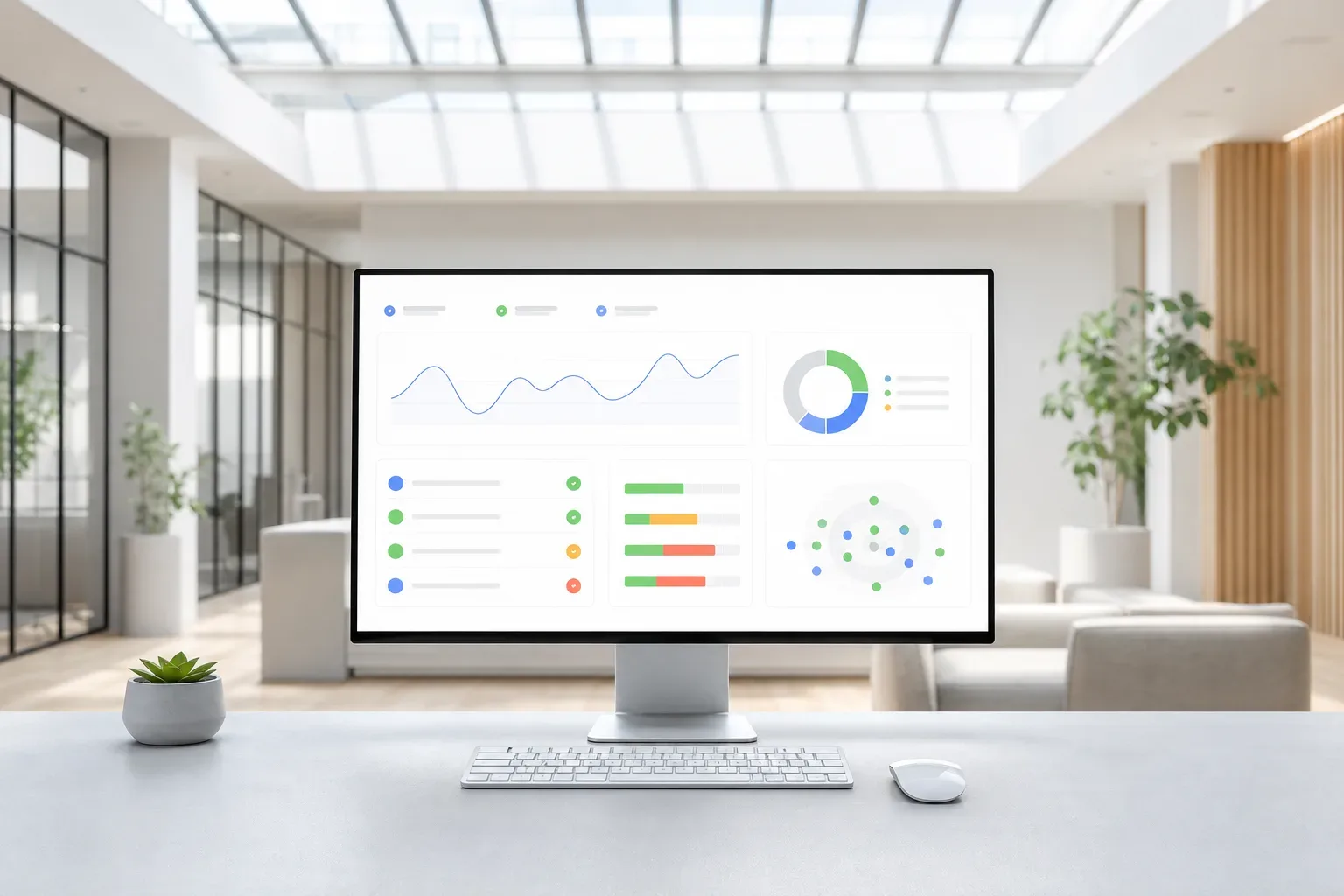
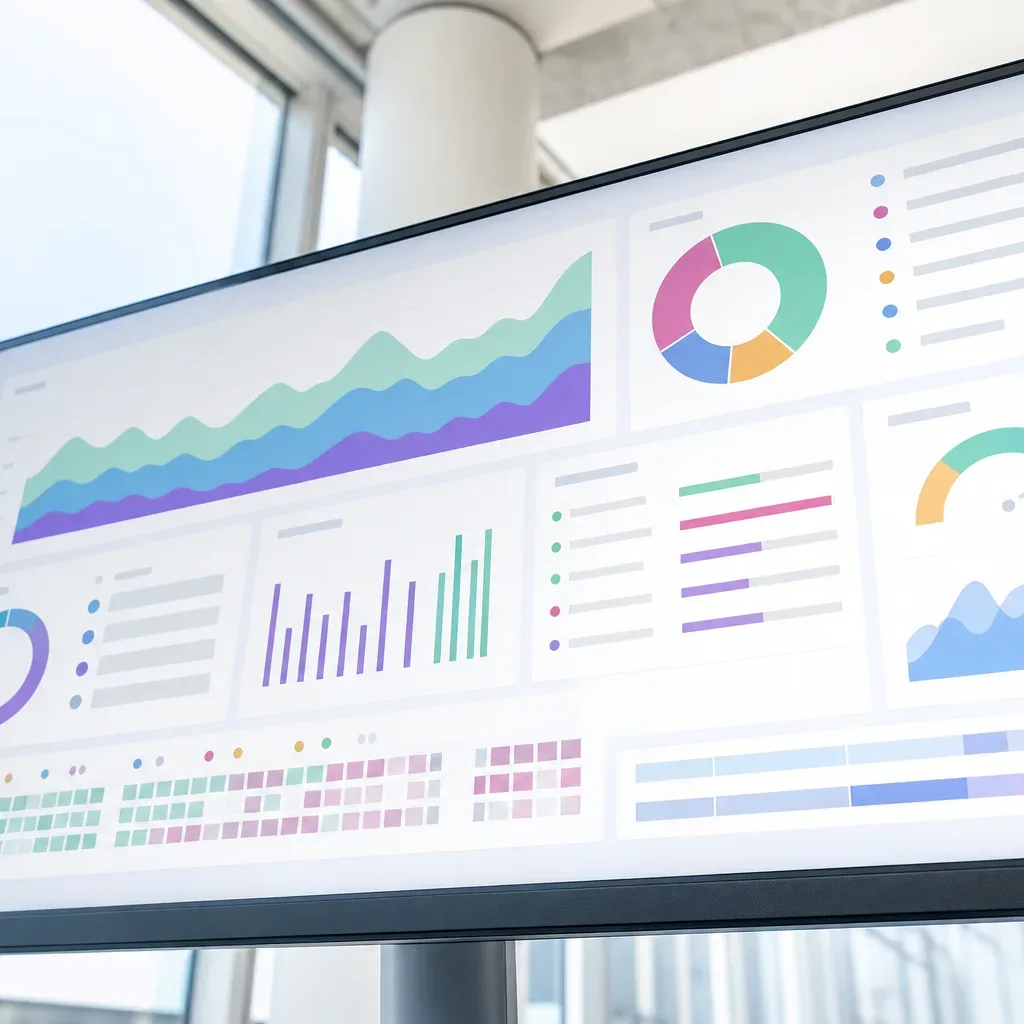
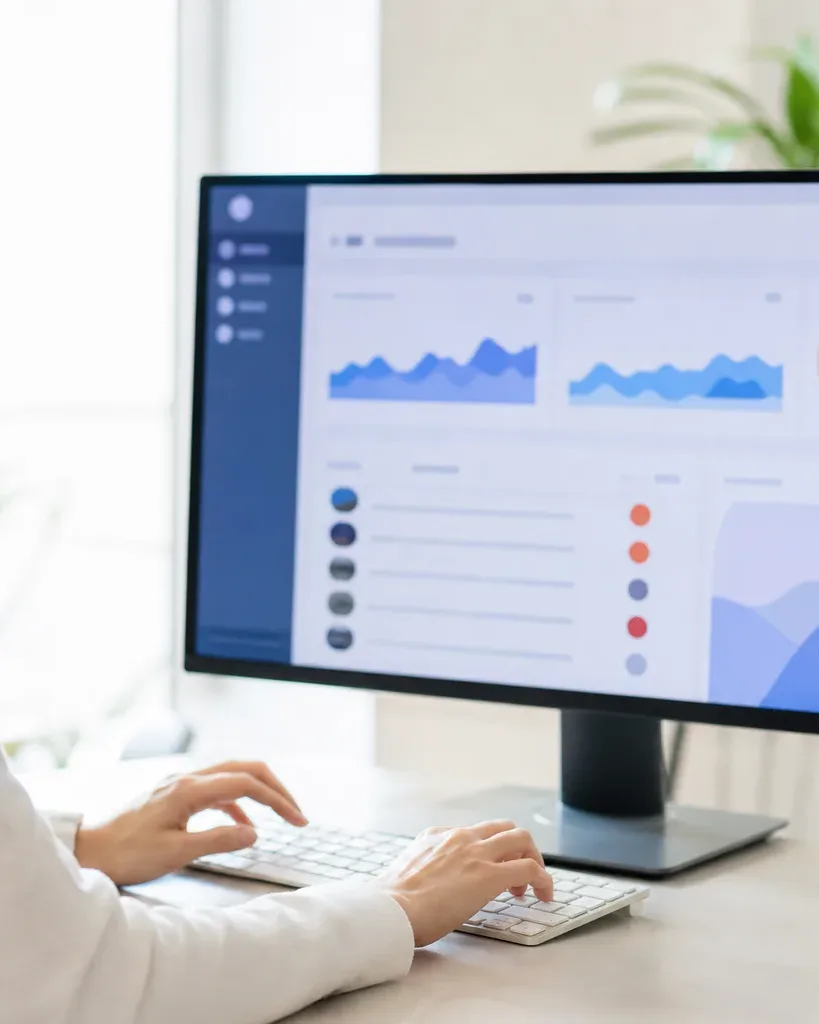
At its core, reputation monitoring software tracks brand mentions across the web and aggregates them into a single dashboard. Most tools scan review sites such as Google, Yelp, and Trustpilot, alongside social networks and news sources, then apply sentiment analysis to flag negative content. Alerts notify you within minutes or hours of a new mention, so you can respond before the story grows.
Better platforms also track star rating trends over time and benchmark your scores against competitors. This competitive layer helps you understand whether a dip in ratings reflects a genuine service problem or an industry-wide shift. Some tools add keyword monitoring, so you catch mentions that tag a competitor or use your name without a formal tag.
Best Reputation Monitoring Tools for Businesses
The right tool depends on your business size, budget, and how many channels you need to cover. Below are the main tiers worth considering.
Entry-Level and SMB Tools
For small to medium businesses, monthly subscriptions typically run $50–$300 per month. Tools in this range include platforms like Podium, Birdeye, and Grade.us, which focus on Google and Facebook review management alongside basic mention tracking. Setup is usually straightforward, and most offer email alerts out of the box.
Google Alerts itself costs nothing and takes under 5 minutes to configure. It does not replace a dedicated tool, but it provides a useful baseline for catching mentions in news articles and blogs. Pair it with a paid SMB tool to cover review sites that Google Alerts cannot access.
Mid-Market Platforms
Businesses with multiple locations or a meaningful social media presence often need more granular data than entry-level tools provide. Platforms such as ReviewTrackers, Reputation.com, and Yext fall in the upper end of the SMB pricing band and into custom territory. They offer multi-location dashboards, sentiment trend graphs, and integrations with CRM systems. These tools make it practical for a regional manager to monitor 20 or 30 locations from one screen.
Enterprise-Grade Solutions
For large brands and agencies, enterprise platforms like Brandwatch, Sprinklr, and Mention's enterprise plans typically range from $500 to $5,000 or more per month. These tools process millions of mentions across dozens of languages, integrate with business intelligence platforms, and often include dedicated account management. The investment is substantial, but the data depth is proportionally greater.
Key Features to Compare Before Buying
Not every feature list translates to practical value. These are the ones that genuinely affect day-to-day use.
Review Coverage - Check exactly which review platforms the tool monitors. A tool that misses industry-specific sites like Healthgrades, G2, or TripAdvisor may leave a critical blind spot depending on your sector.
Alert Speed - Real-time or near-real-time alerts matter when a negative post can spread within hours. Some lower-cost tools only sync once per day, which can be too slow during a PR incident.
Sentiment Accuracy - Automated sentiment analysis varies widely in quality. Test a tool against a sample of your existing reviews to see whether it correctly identifies sarcasm and nuanced feedback.
Response Workflow - The ability to reply to reviews directly inside the platform saves time and reduces the chance of a mention going unanswered. Look for approval workflows if multiple team members handle responses.
Reporting and Exports - Monthly PDF reports and CSV exports matter if you need to brief stakeholders who do not log into the platform themselves.
Star Ratings and Why the 3.5 Threshold Matters
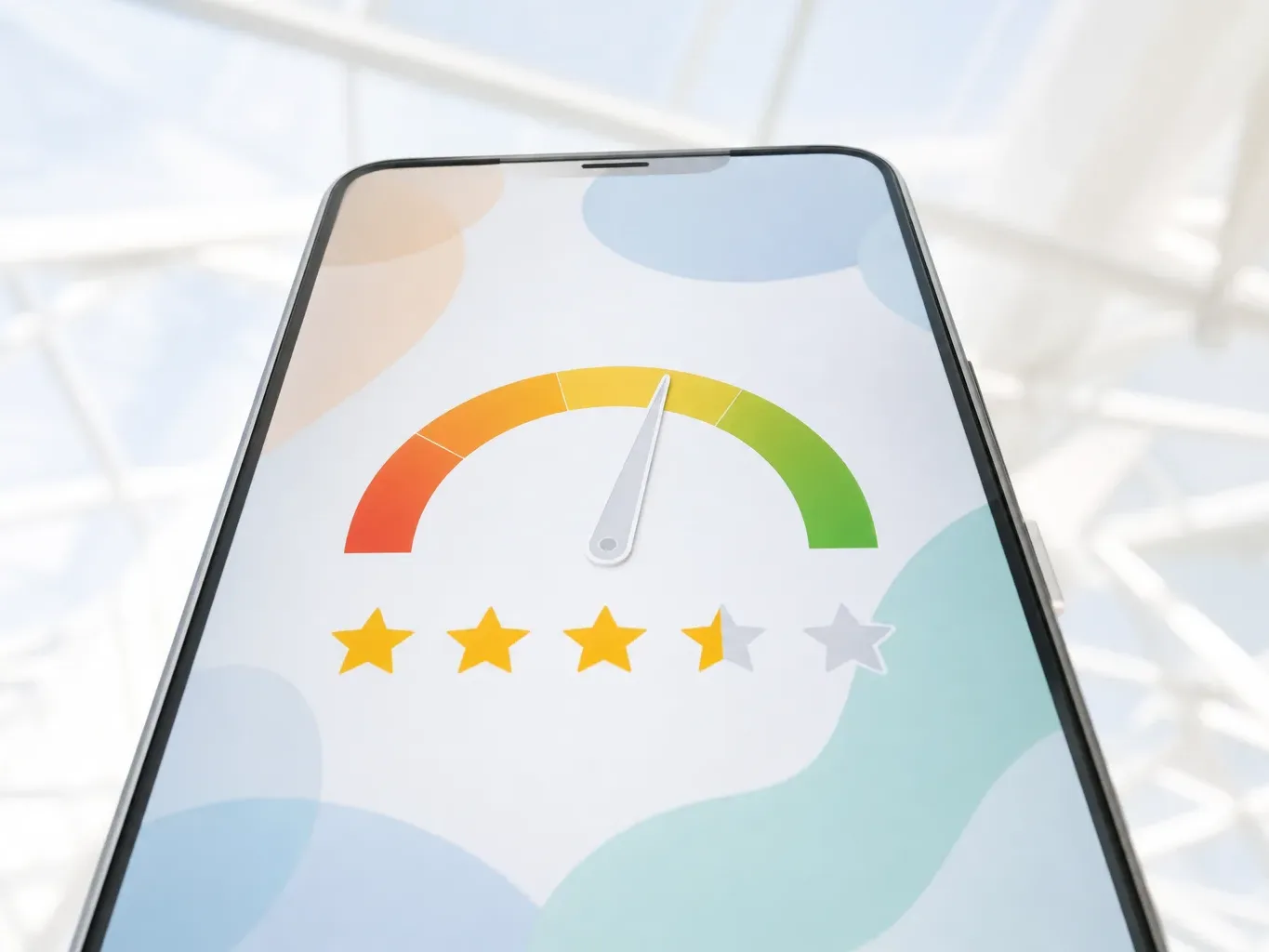
Consumer research consistently shows that businesses rated below 3.5 stars face significant avoidance from potential buyers. That figure is not a soft guideline; it marks the point at which a large portion of searchers will skip your listing entirely, regardless of how strong your other marketing is.
Reputation monitoring software helps you stay well above that line by surfacing negative trends early. When average rating data updates weekly or monthly inside your dashboard, a gradual decline becomes visible before it crosses the critical threshold. Responding actively to reviews also produces measurable results: businesses that maintain a consistent response habit typically see a 0.1–0.3 star improvement in their average rating over time.
When to Add a Managed Service Instead
Software handles monitoring and alerting, but some situations call for human expertise. If your business is dealing with a concentrated wave of negative content, a search result suppression campaign, or false reviews that need formal removal requests, a managed service is often more effective than a DIY platform.
Online review management agencies typically charge $200–$800 per month as a retainer. Personal reputation management services aimed at individuals or executives range from $500 to $3,000 per month. For content removal from specific URLs, specialist firms charge $100–$500 per URL, and removal is never guaranteed since Google and other platforms evaluate each request against their own policies. A suppression campaign targeting damaging search results carries a one-time setup fee of $1,000–$10,000, with measurable movement typically appearing within 3–6 months.
The clearest signal that you need a managed service rather than just software: you have found content that requires legal, editorial, or platform-level intervention, not just a faster alert.
Choosing the Right Tool for Your Situation
Start by listing every platform where your customers are likely to leave feedback or discuss your brand. Cross-reference that list against the review coverage of any tool you are evaluating. Budget matters, but a $50/month tool that misses your most important review site costs more in the long run than a $200/month tool with full coverage.
Free trials are common across the SMB tier and worth using seriously. Import a month of existing reviews, run a few test mentions, and check whether the sentiment scores match your own read of the content. The tool you can actually use consistently is more valuable than the one with the longest feature list.
Frequently Asked Questions
What Is Reputation Monitoring Software?
Reputation monitoring software tracks what people say about your brand across review sites, social media, and the web, then consolidates those mentions into a single dashboard with sentiment analysis and alerts. It helps businesses catch negative content quickly and respond before it influences potential customers.
What Are the Best Reputation Monitoring Tools for Businesses?
The best tool depends on your size and budget. Small to medium businesses often start with platforms like Podium, Birdeye, or Grade.us in the $50–$300 per month range. Larger organizations with multiple locations may prefer ReviewTrackers or Reputation.com, while enterprise brands typically use Brandwatch or Sprinklr at $500–$5,000 or more per month.
How Much Does Reputation Monitoring Software Cost?
SMB-tier reputation monitoring software typically costs $50–$300 per month. Enterprise platforms from providers like Brandwatch and Sprinklr range from $500 to $5,000 or more per month. Google Alerts is free and takes under 5 minutes to set up, though it works best as a supplement to a paid tool rather than a standalone solution.
Can Reputation Monitoring Software Remove Negative Reviews?
No. Monitoring software alerts you to negative reviews and helps you respond, but it cannot remove them. Platforms including Google and Yelp have policies to remove reviews that violate their terms, but enforcement timelines vary and are not guaranteed. For content removal, specialist firms charge $100–$500 per URL and removal is never guaranteed.
How Quickly Does Reputation Monitoring Software Detect New Mentions?
Alert speed varies by platform. Higher-quality tools deliver near-real-time notifications within minutes of a new mention appearing. Some lower-cost tools only sync data once per day, which can be too slow during a fast-moving PR incident. Always check the alert frequency before committing to a subscription.