Social Listening vs. Reputation Monitoring - What's the Difference?
Both practices track what people say about a brand online, but they answer different questions. Social listening focuses on discovering trends, sentiment patterns, and cultural conversations happening across social platforms. Reputation monitoring zeroes in on protecting and managing how a specific brand, person, or business is perceived, especially in search results and review platforms. Knowing which one you need, or whether you need both, saves real money and prevents wasted effort.

What Social Listening Actually Does
Social listening collects and analyzes mentions, hashtags, and conversations across social media channels at scale. The goal is insight: understanding what audiences care about, how sentiment shifts over time, and where competitor conversations are gaining traction. A marketing team might use social listening to spot that a product feature is trending negatively before it becomes a press story, then adjust messaging accordingly.
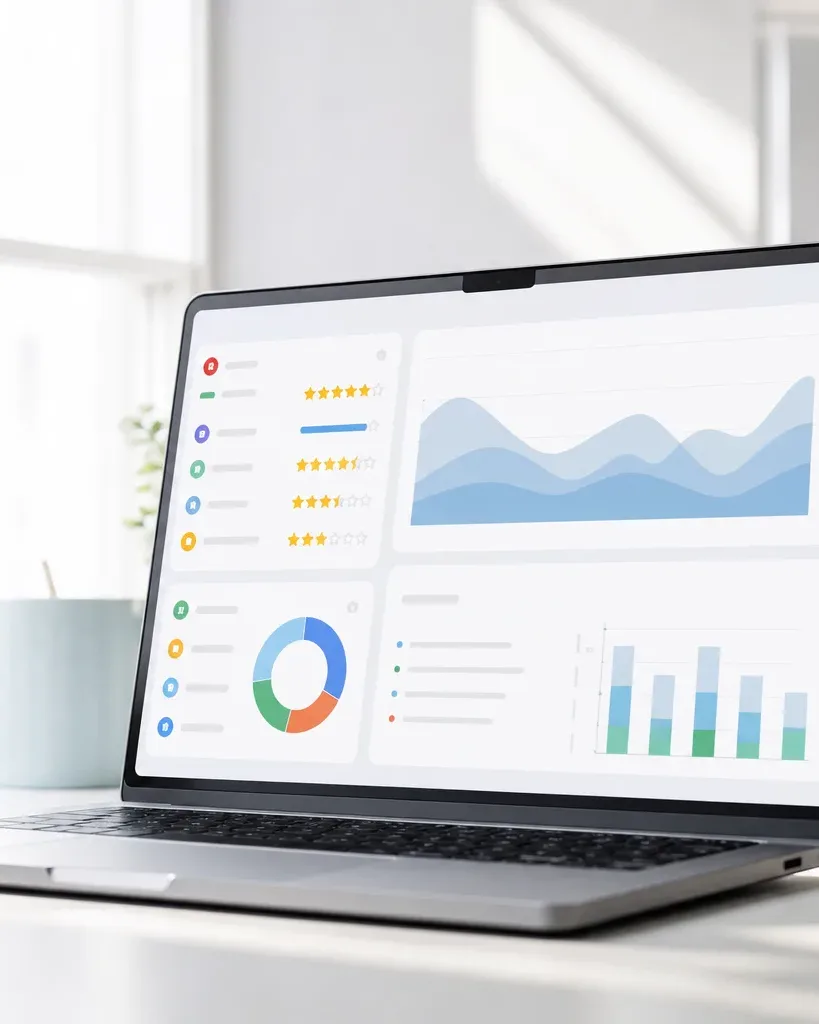
The outputs tend to be dashboards full of volume charts, sentiment scores, topic clusters, and influencer maps. These are genuinely useful for campaign strategy, product feedback loops, and competitive intelligence. They are less useful when you need to know whether a damaging news article is ranking on page one of Google for your name.
Platforms Commonly Used for Social Listening
Brandwatch, Sprinklr, and Mention are three well-known platforms in this space. Enterprise tiers on platforms like Brandwatch and Sprinklr typically cost $500–$5,000+ per month, reflecting the depth of data and analytics they provide. Smaller businesses often use mid-market tools priced at $50–$300 per month, which cover core mention tracking and basic sentiment analysis without the full enterprise data pipeline.
These tools pull from Twitter/X, Instagram, TikTok, Reddit, news sources, and sometimes blogs. Coverage breadth is their strength. Granular management of individual reviews on Google or Yelp is generally outside their core purpose.

What Reputation Monitoring Covers
Reputation monitoring is narrower in scope but more protective in purpose. It tracks reviews, star ratings, search result rankings, news mentions, and any content that could shape how someone perceives a business or individual when they search online. Approximately 90% of consumers read online reviews before purchasing, which is why this layer of tracking matters so much to local businesses, professionals, and brands sensitive to public perception.
A dedicated reputation monitoring setup watches platforms like Google Business Profile, Yelp, Trustpilot, and app stores, alongside Google Alerts for name or brand mentions across the web. Setting up Google Alerts takes under 5 minutes and costs nothing, making it a practical starting point for anyone building a basic monitoring stack.
Why Star Ratings Demand Specific Attention
Businesses whose average star rating drops below 3.5 stars see measurable customer avoidance, regardless of the total number of reviews they hold. As few as 3–4 negative reviews can deter a potential customer, even when hundreds of positive ones exist. Reputation monitoring tools flag these rating changes in near real time, allowing businesses to respond before the damage compounds.
Active review response, handled consistently, produces a measurable 0.1–0.3 star improvement in average ratings over time. Social listening tools generally do not surface this layer of review-specific data with the same precision.
The Core Difference in Plain Terms
Social listening answers: "What are people saying about topics relevant to my brand across the internet?"
Reputation monitoring answers: "What will someone find when they search specifically for my business or name, and is it helping or hurting me?"
The distinction matters because the tools built for each question have genuinely different architectures. Social listening platforms optimize for breadth and trend detection. Reputation monitoring tools optimize for alert speed on high-stakes content such as a one-star review, a negative article, or a search result displacement campaign.

When You Might Need Both
A national consumer brand almost certainly benefits from both. Social listening catches the emerging sentiment wave; reputation monitoring catches the review spike at individual store locations. Running only social listening leaves gaps in local review coverage. Running only reputation monitoring means missing broader cultural signals that could inform a product pivot.
Smaller businesses operating locally often get more immediate return from reputation monitoring first. A restaurant owner gains more from knowing about a two-star review posted this morning than from a sentiment trend across Twitter over the past quarter.
Managed Services vs. DIY Software
Businesses that prefer not to manage tools themselves can hire agencies offering online review management as a retainer service, typically priced at $200–$800 per month. These services handle response workflows, flag problems, and often include reporting. For individuals, personal reputation management retainers run $500–$3,000 per month, with executive-focused engagements sitting toward the upper end of that range.
Search result suppression campaigns, which push down damaging content using SEO-based content strategies, are a separate service category. One-time setup fees generally fall between $1,000–$10,000, depending on how competitive the search environment is for the relevant keywords. Realistic timelines for measurable movement run 3–6 months, with full page-one displacement taking up to 12 months in competitive cases.

Choosing the Right Starting Point
Start by identifying your primary concern. If the worry is public sentiment at scale, competitor activity, or campaign performance, social listening tools address those questions directly. If the concern is reviews, star ratings, search result content, or a specific piece of damaging information online, reputation monitoring is the more targeted fit.
Budget is a practical filter too. A $50–$300 per month SMB reputation monitoring subscription covers the basics: review alerts, brand mention tracking, and rating dashboards. That investment directly addresses the problems most small businesses actually face day to day. Adding a social listening layer makes sense once the review and search result foundation is stable.
Frequently Asked Questions
What Is the Difference Between Social Listening and Reputation Management?
Social listening tracks broad conversations, trends, and sentiment across social media platforms to inform marketing and strategy. Reputation management focuses on protecting and improving how a specific brand or individual is perceived, particularly through reviews, star ratings, and search results. Both monitor online mentions, but social listening prioritizes insight at scale while reputation management prioritizes protecting a specific name or business from harmful content.
What Are Social Listening Tools Used for in Brand Monitoring?
Social listening tools track brand mentions, hashtags, and sentiment across platforms like Twitter/X, Instagram, Reddit, and news sites. They help marketing teams identify trending topics, monitor competitor activity, and detect shifts in audience sentiment before they escalate. Platforms like Brandwatch and Sprinklr are widely used examples, with enterprise plans typically costing $500–$5,000+ per month.
Can Reputation Monitoring Replace Social Listening?
No. Reputation monitoring and social listening serve different purposes and cover different data sources. Reputation monitoring focuses on reviews, star ratings, and search results, while social listening covers broader social media conversations and trend analysis. Most mid-size and larger brands benefit from running both in parallel rather than choosing one over the other.
How Much Does Reputation Monitoring Software Cost for a Small Business?
SMB-tier reputation monitoring software typically costs $50–$300 per month, covering review alerts, brand mention tracking, and rating dashboards. Businesses that prefer a managed service rather than a DIY tool can expect to pay $200–$800 per month for an online review management retainer. Google Alerts is a free starting point that takes under 5 minutes to set up.
How Quickly Can Search Result Suppression Campaigns Show Results?
Measurable movement in search results typically takes 3–6 months from the start of a suppression campaign. Full displacement of damaging content from page one of Google can take up to 12 months, depending on how competitive the search environment is. One-time setup fees for these campaigns generally range from $1,000–$10,000, with the final cost driven by the severity of the content and keyword competition.