Fake Review Removal - How to Report and Dispute Fraudulent Reviews
Approximately 90% of consumers read online reviews before making a purchase decision, which means a cluster of fraudulent reviews can directly cost you customers or damage a reputation you have built over years. Platforms including Google and Yelp have policies to remove reviews that violate their terms, but enforcement timelines vary and outcomes are never guaranteed. Knowing the right process for each platform shortens the timeline and improves your odds.

Spotting a Fraudulent Review Before You Report It
A fake review tends to share identifiable patterns. The reviewer often has no profile photo, no review history, or a history of reviewing unrelated businesses in unrelated cities within a short window. The language may be unusually generic, emotionally extreme, or lifted from a competitor's negative reviews.
Other red flags include a sudden spike of reviews in a single day, reviews that mention services you do not offer, or reviewer accounts created the same week the review was posted. Documenting these signals before filing a report strengthens your case significantly.
Fake Review Detection Tools
Several free and paid tools can help you cross-check suspicious activity. Fakespot and ReviewMeta analyze review patterns on Amazon listings. For Google and Yelp, reputation monitoring software in the SMB tier runs $50–$300 per month and typically includes anomaly alerts that flag unusual review spikes.
Manual investigation still matters. Check the reviewer's public profile, note the posting date relative to your business's activity, and save screenshots before the review is altered or removed.

How to Report Fake Reviews on Google
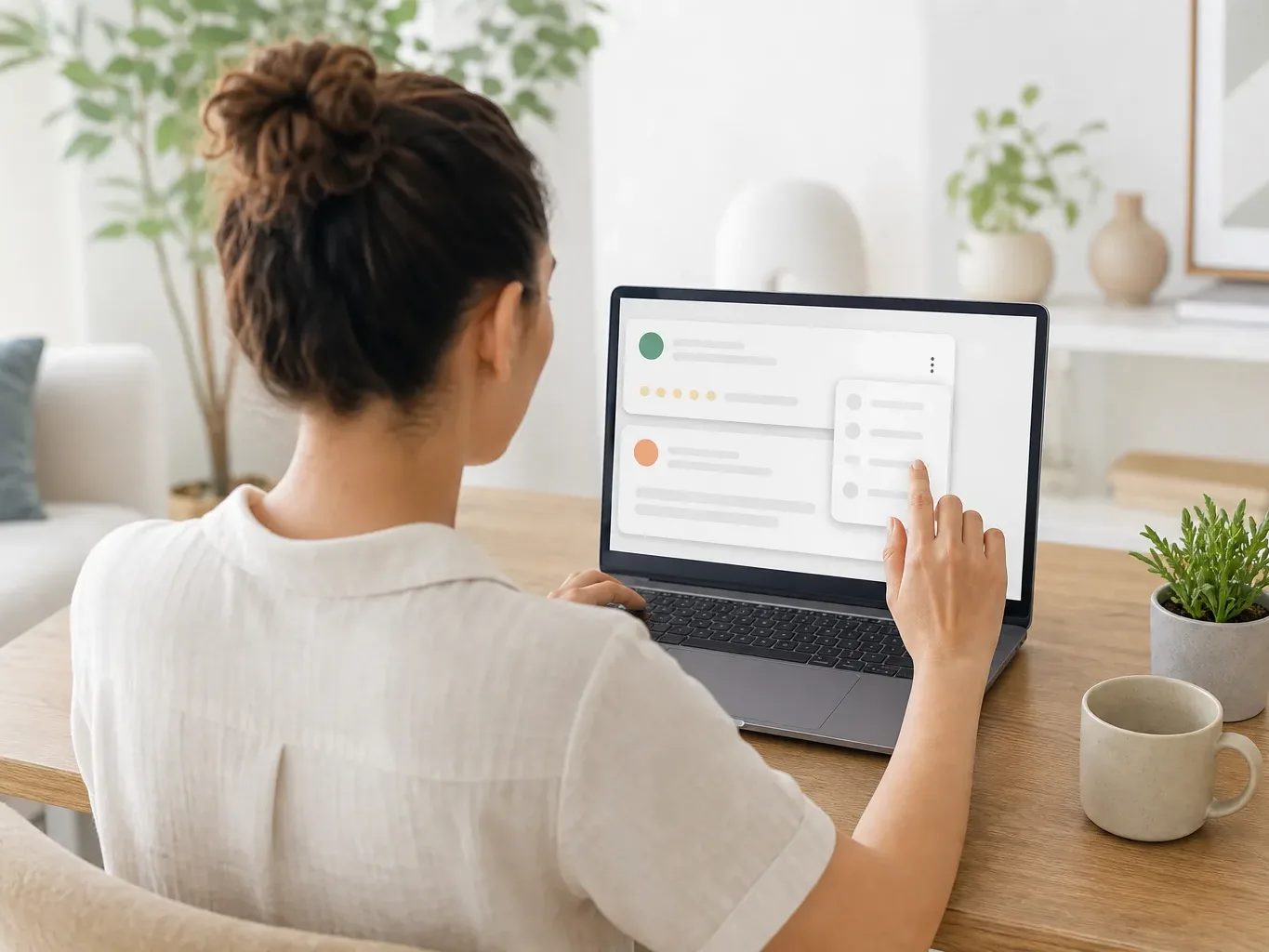
Google allows anyone to flag a review directly from the business listing. Find the review on Google Maps, click the three-dot menu next to it, and select "Report review." Choose the most accurate violation category, such as "Conflicts of interest" for a competitor-posted review or "Off topic" for content unrelated to an actual visit.
For business owners, the Google Business Profile dashboard offers a more formal dispute path. Open the Reviews section, locate the review, and use the flag icon to submit a report. Google evaluates each request against its policies, and removal is never guaranteed. If your initial report is dismissed, you can request a human review through the Google Business Profile support chat.
What Google Will and Won't Remove
Google removes reviews that violate its content policies: spam, fake engagement, hate speech, or content clearly posted by someone with no customer relationship to the business. Google will not remove a review simply because it is negative or unflattering, even if you believe it is inaccurate.
Typical response times range from a few days to a few weeks. In contested cases, you may need to submit supporting documentation through the support channel.
How to Report Fake Reviews on Yelp
Yelp uses automated recommendation software that filters reviews it considers unreliable, which sometimes catches fake reviews before you need to act. For anything that slips through, log into your Yelp for Business account, navigate to the review, and click "Report review" to flag it for Yelp's content moderation team.
Yelp's policies prohibit reviews from people with no first-hand customer experience, reviews posted by business owners about competitors, and reviews that appear coordinated. As with Google, enforcement timelines vary and removal is not guaranteed. Yelp does provide a Business Owner Comment feature, which lets you post a public response visible to every prospective customer who reads the thread.
Responding While You Wait
Posting a calm, factual public response to a suspicious review serves two purposes. It signals to readers that you take feedback seriously, and it contextualizes any inaccuracies without escalating conflict. Businesses that actively respond to reviews see an average rating improvement of 0.1–0.3 stars over time, a meaningful shift given that consumers tend to avoid businesses rated below 3.5 stars.
Keep your response brief. Acknowledge the reviewer, note any factual discrepancy professionally, and invite them to contact you directly to resolve the issue.

How to Report Fake Reviews on Amazon
Amazon distinguishes between seller reviews and product reviews. To report a fake product review, navigate to the review on the product listing, click "Report abuse," and select the appropriate reason. For seller feedback that appears fraudulent, use the Report Abuse link inside Seller Central or the equivalent buyer-facing option on the feedback page.
Amazon's enforcement against fake reviews has tightened considerably. The platform uses machine learning to identify coordinated fake review schemes, and sellers caught purchasing reviews face account suspension. Third-party services that promise guaranteed review removal from Amazon should be approached with caution; specialist content removal firms typically charge $100–$500 per URL and do not guarantee success.

When Platform Reporting Is Not Enough
Some fake review campaigns are coordinated and persistent, particularly when a competitor or disgruntled party is running them systematically. In those situations, platform reports alone may not resolve the problem quickly enough to prevent business damage. As few as 3–4 negative reviews can deter a potential customer, which makes a prolonged dispute timeline genuinely costly.
Professional online reputation management services can pursue parallel strategies: filing reports with supporting evidence, producing authoritative content that pushes negative results down in search, and monitoring for new fraudulent activity. Personal reputation management retainers run $500–$3,000 per month depending on the complexity of the campaign. For a targeted search result suppression effort, expect a setup investment of $1,000–$10,000 and a realistic timeframe of 3–6 months before measurable movement appears in search results.
If you have evidence that a review was posted as part of a coordinated scheme, defamation, or extortion attempt, consulting a legal professional is a practical next step. Cease-and-desist letters to identifiable bad actors have produced results in documented cases, particularly when combined with platform escalations.

Frequently Asked Questions
How to Report and Remove Fake Reviews?
On Google, open the review in Google Maps, click the three-dot menu, and select 'Report review.' On Yelp, use your Yelp for Business dashboard to flag the review for moderation. On Amazon, click 'Report abuse' on the product listing or inside Seller Central. Each platform evaluates requests against its own policies, and removal is never guaranteed, but providing specific evidence of a policy violation improves your chances significantly.
Fake Review Detection and Removal - What Tools Help?
Tools like Fakespot and ReviewMeta analyze patterns on Amazon listings. For Google and Yelp, reputation monitoring software in the SMB tier runs $50–$300 per month and can flag unusual review spikes automatically. Manual checks, such as reviewing the poster's account history and saving screenshots, remain valuable before filing a formal removal request.
Can a Business Owner Remove a Fake Google Review Themselves?
Business owners cannot delete reviews directly. You can flag a review through the Google Business Profile dashboard using the report icon, and if the automated process dismisses your request, you can escalate to a human reviewer via the Google Business Profile support chat. Google evaluates each report against its content policies, and removal is not guaranteed even when a review appears fraudulent.
What Should You Do If Platform Reporting Does Not Work?
If repeated reports are dismissed, consider a professional online reputation management service. Managed ORM retainers run $500–$3,000 per month for individual or business campaigns. For persistent fake content appearing in search results, a suppression campaign typically requires a setup fee of $1,000–$10,000 and delivers measurable results in 3–6 months. In cases involving defamation or coordinated attacks, consulting a legal professional is also advisable.
Does Responding to a Fake Review Help Your Rating?
Yes, indirectly. Businesses that actively respond to reviews, including suspicious or fake ones, see an average rating improvement of 0.1–0.3 stars over time. A public, factual response also reassures prospective customers who read the thread, reducing the damage a fake review causes while you wait for a platform decision. Keep responses brief, professional, and free of personal accusations.